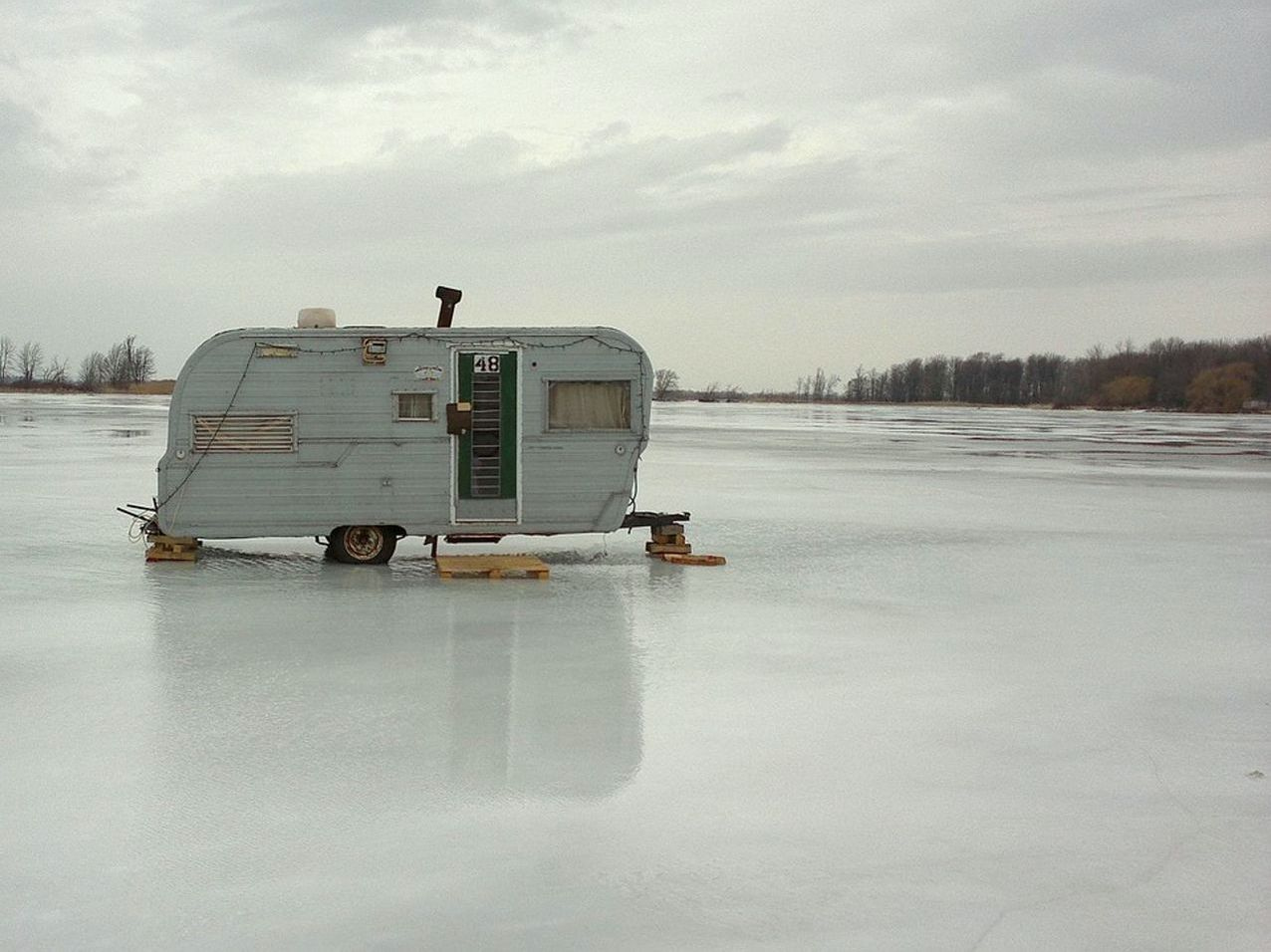
Before dawn on a frozen lake, the world reveals itself differently. In the hour before sunrise—when most anglers are still home—the ice fishing grounds belong entirely to those willing to arrive early. The experience isn't about what you'll see. It's about what you'll hear: the crack and shift of the ice beneath your boots, the subtle sound of water moving far below, the particular silence that only comes to a mountain lake in deep winter. Anyone who has stood on lake under the ice in that half-light will tell you the same thing: the fishing hasn't truly begun until you've learned to wait in the dark.
Ice augers and hand tools for lake access
The first thing that strikes you is how much there is to hear. With no light to guide by, your ears take over entirely—the shifting of the ice pack, the distant sound of wind across the frozen surface, the small movements of fish beneath the ice. Anglers accustomed to daytime fishing find themselves stopping every few minutes, listening, adjusting. This is where winter fishing teaches patience. The cold air carries sound further and clearer than any other season, and there's nothing competing with it. Knowing the science doesn't make it any less revelatory the first time you experience it.
The physics here is straightforward: sound travels more efficiently through dense, still, cold air. Understanding why doesn't diminish the strangeness of hearing it happen for the first time on a frozen lake.
Your eyes adjust more than you'd expect. After twenty minutes without a headlamp, most people can navigate reasonable terrain by the contrast between sky and ice. The trick is peripheral vision—it handles low light far better than direct sight, so the ice fishing grounds reveal themselves best when you look slightly past where you want to cast. But there are limits worth respecting. Under heavy cloud with no moon, the distinction between sky and frozen ground vanishes entirely, and the sensible choice is to use the light you brought. Winter fishing safety depends on honest assessment.
There is a limit, and it matters. Under heavy cloud with no moon, the difference between sky and ice disappears. The responsible thing is to use the light you brought. Nobody wins medals for falling through slush.
What winter fishing demands of you
An earlier night than you're used to—the part most people can't manage. One more thermal layer than feels necessary, because the coldest point of the entire day arrives just before sunrise, not in the middle of the night. A route on the frozen lake you already know well, because this is not the time to discover whether the ice is sound. Proper winter tackle stored and ready. An auger maintained and waiting. And a thermal coffee that will still be warm when you need it most.
Also critical: tell someone exactly where you're going on the lake and when you expect to return. This single habit separates the serious ice fishing anglers from the casual ones. It costs nothing and it eliminates the only genuinely dangerous outcome from a winter morning. Winter fishing carries real risks—and that's why the precautions matter.
Beyond safety, it asks for very little else. A headlamp you keep switched off unless absolutely necessary. A thermos of something warm. Enough time that you're not watching for sunrise. The point is to arrive early on the frozen lake and wait for the fish to move as light arrives.
You don't go to watch the light arrive on a mountain lake. You go to be there while it decides to, and to fish the minutes when everything shifts.
Thermal clothing that keeps you warm fishing
It doesn't happen all at once, and it doesn't happen where you expected. Long before anything shows in the east, the ice under your feet starts to separate from itself—the outline of a ridge, the shape of a drift, the fact that the ice has colour and that colour is not completely grey. The mountain fishing grounds reclaim their geography. Distance returns before detail.
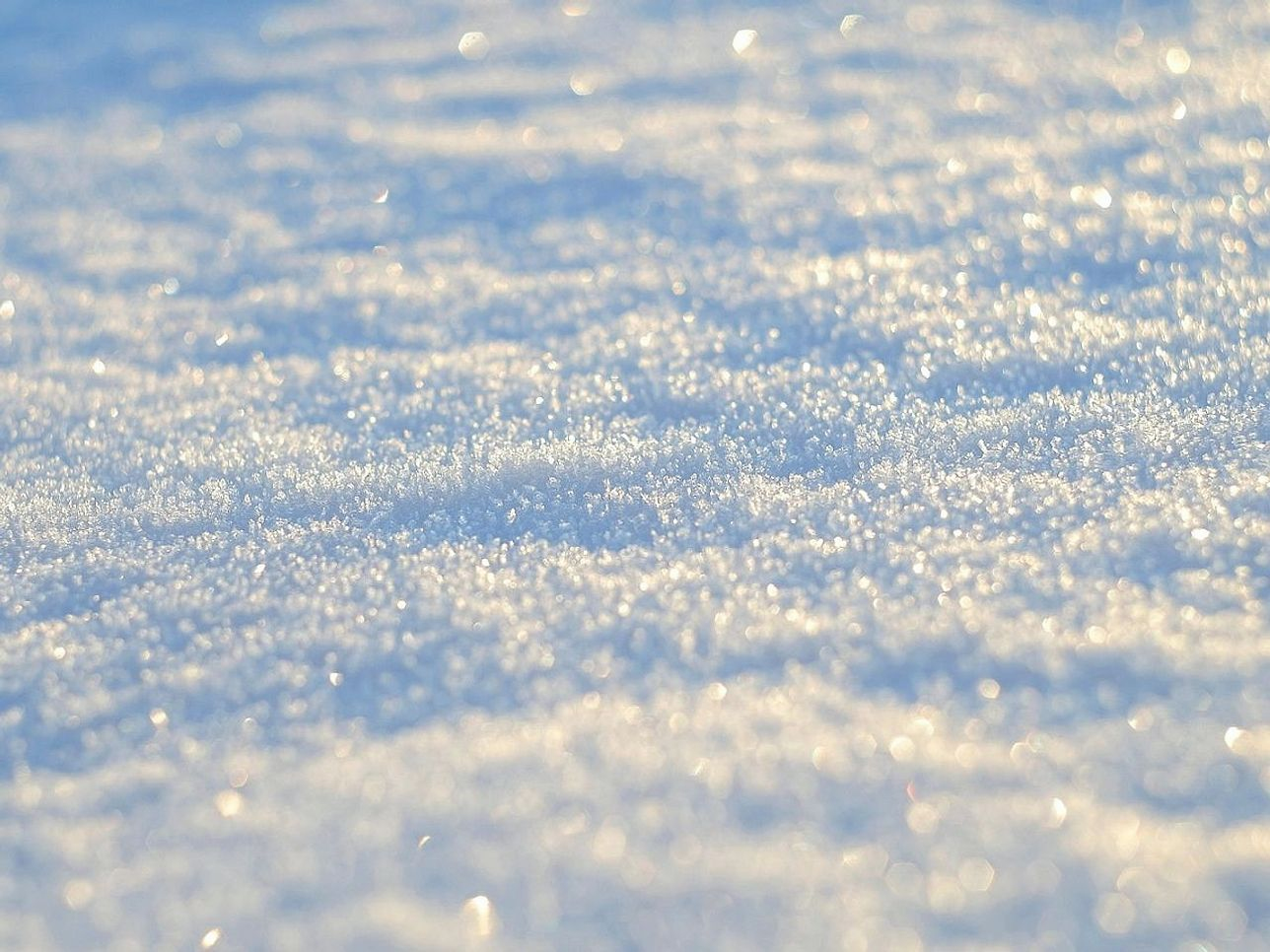
There is a brief window—maybe four or five minutes—when the low sun rakes across the frozen surface at a shallow angle and every ridge in the ice stands up sharp and clear. Then the sun climbs higher, shadows shorten, and the mountain lake returns to looking like itself again.
The urge now is to photograph it, and there's nothing wrong with that. Most people report the same result: the photos are fine, but they're not the actual thing. What no photograph can capture is the forty minutes of standing still in subzero cold that preceded that moment—your auger ready, your ice rod at hand, waiting for the light to trigger the feeding. That's the real experience of winter fishing.
Ice rods and reels
The mornings that don't produce are valuable too. Flat grey light across the frozen lake, wind that makes standing still painful, an hour of fishing for nothing you could describe to anyone afterwards—these are what make the successful mornings legible. Without the failed outings, the whole thing collapses into scenery. Winter fishing is not reliable, and that's exactly why you return.
Go often enough and the mornings stop being interchangeable. You start to read the feel of the air on the way to the lake and know whether the fishing will be good. You're wrong often enough to keep coming back anyway. The honest reason has almost nothing to do with catching fish: for two hours, nothing is asked of you, nothing can reach you, and the rest of the day hasn't yet begun making its demands. A cabin in the bush at the lake's edge, a thermos, an auger, winter tackle, and the ice—that's the whole world.
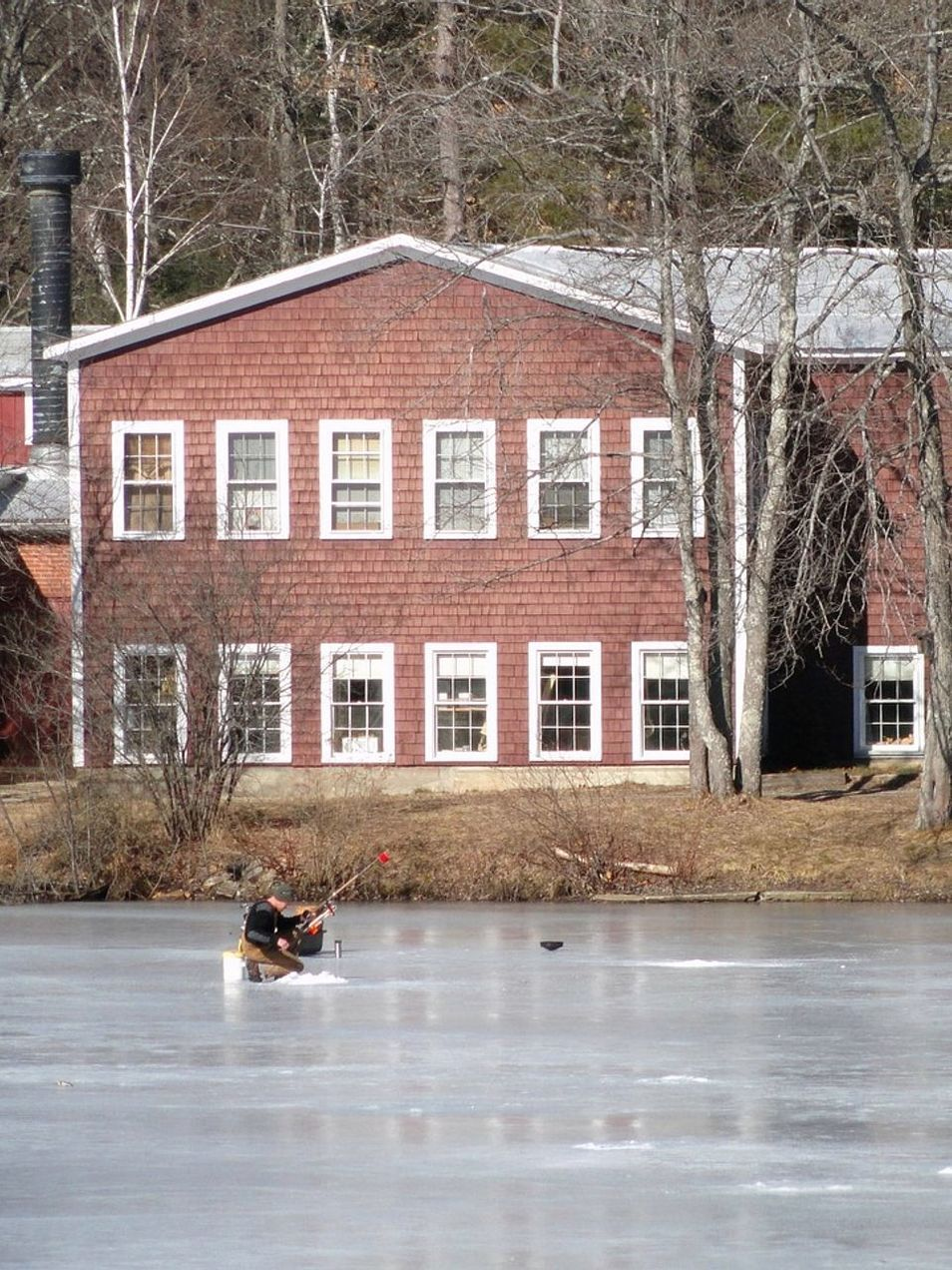
Marcus T. fishes the mountain lake and frozen water more often than is reasonable, and has edited this journal since the first issue.